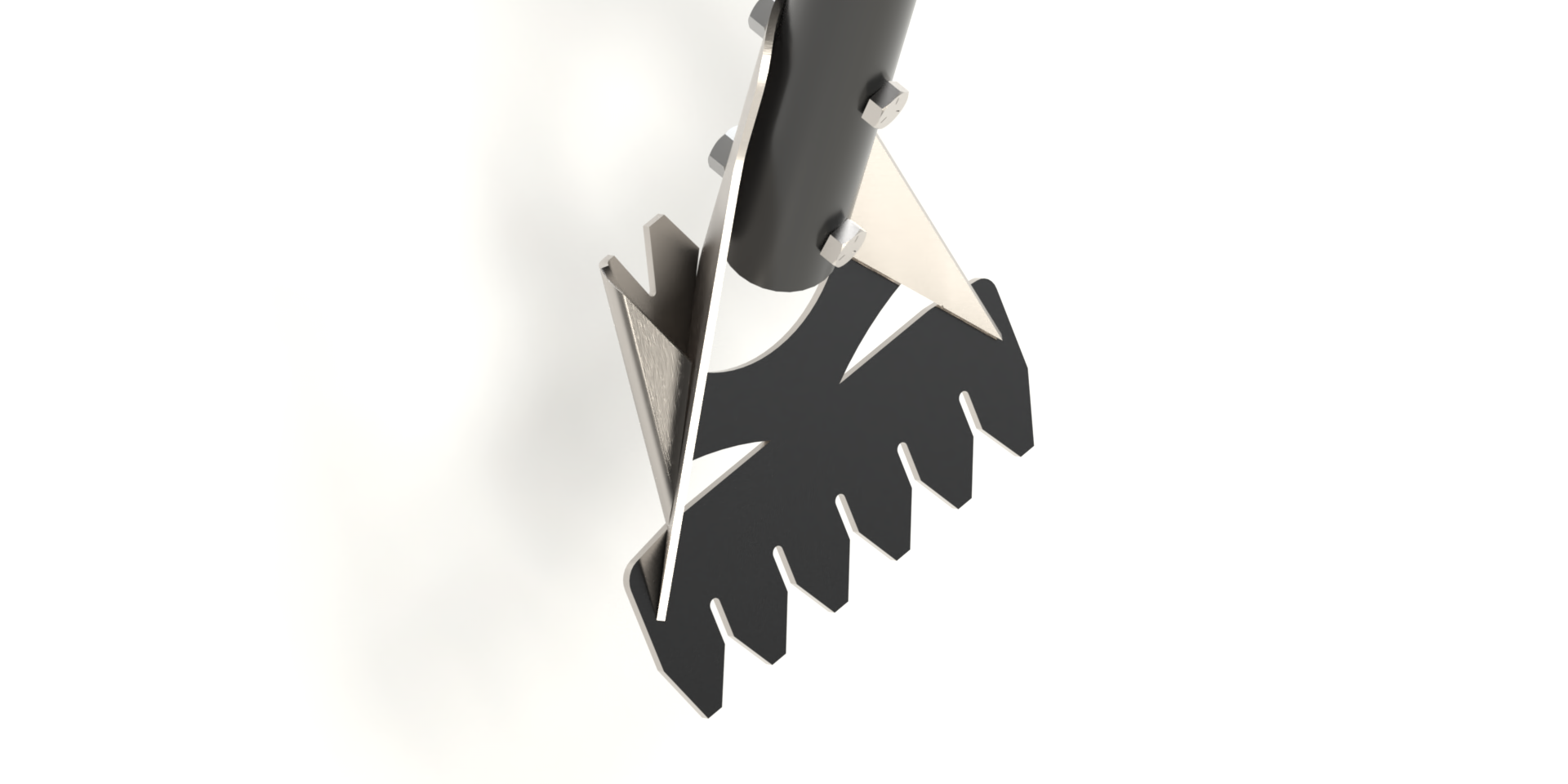
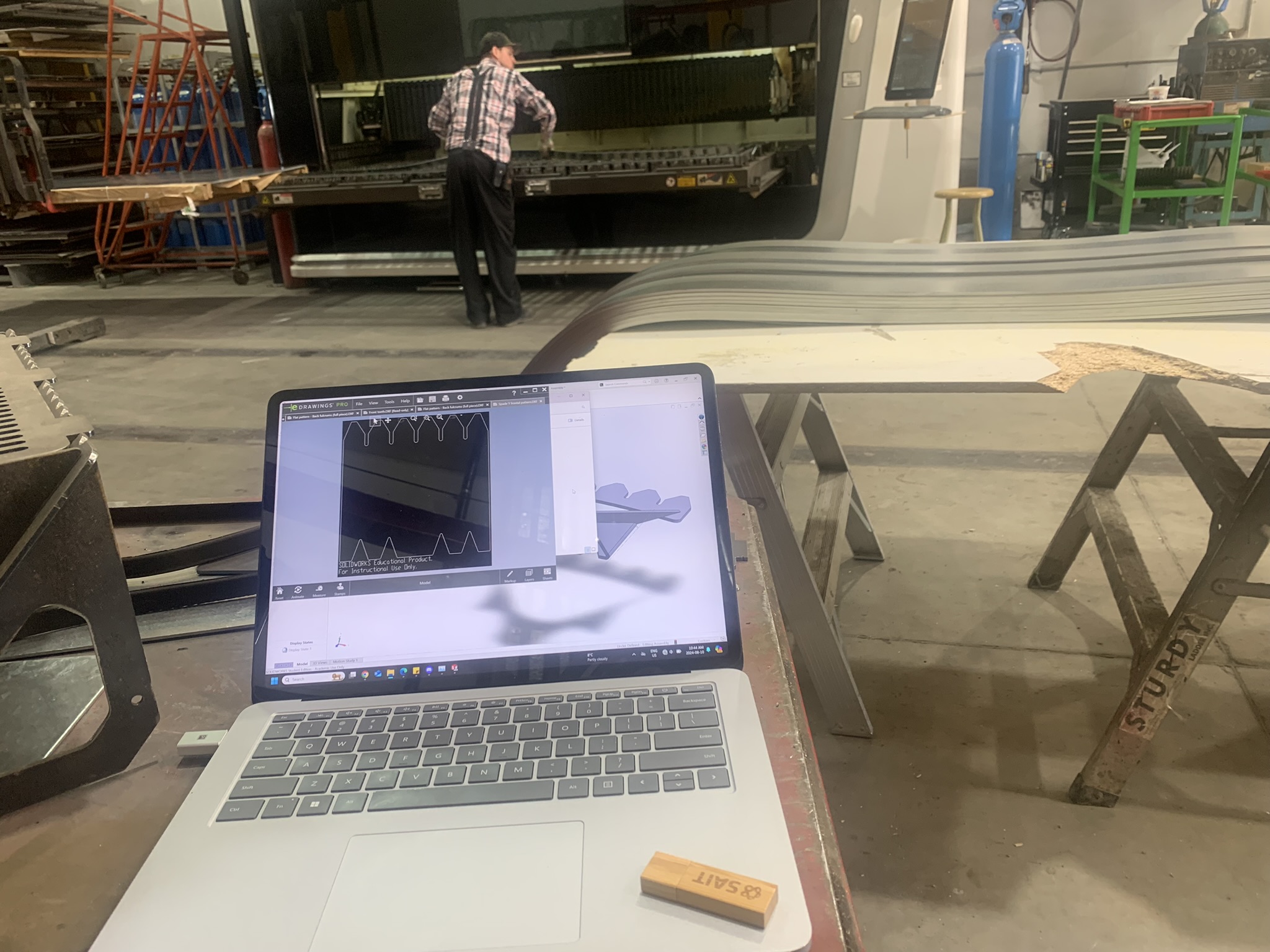
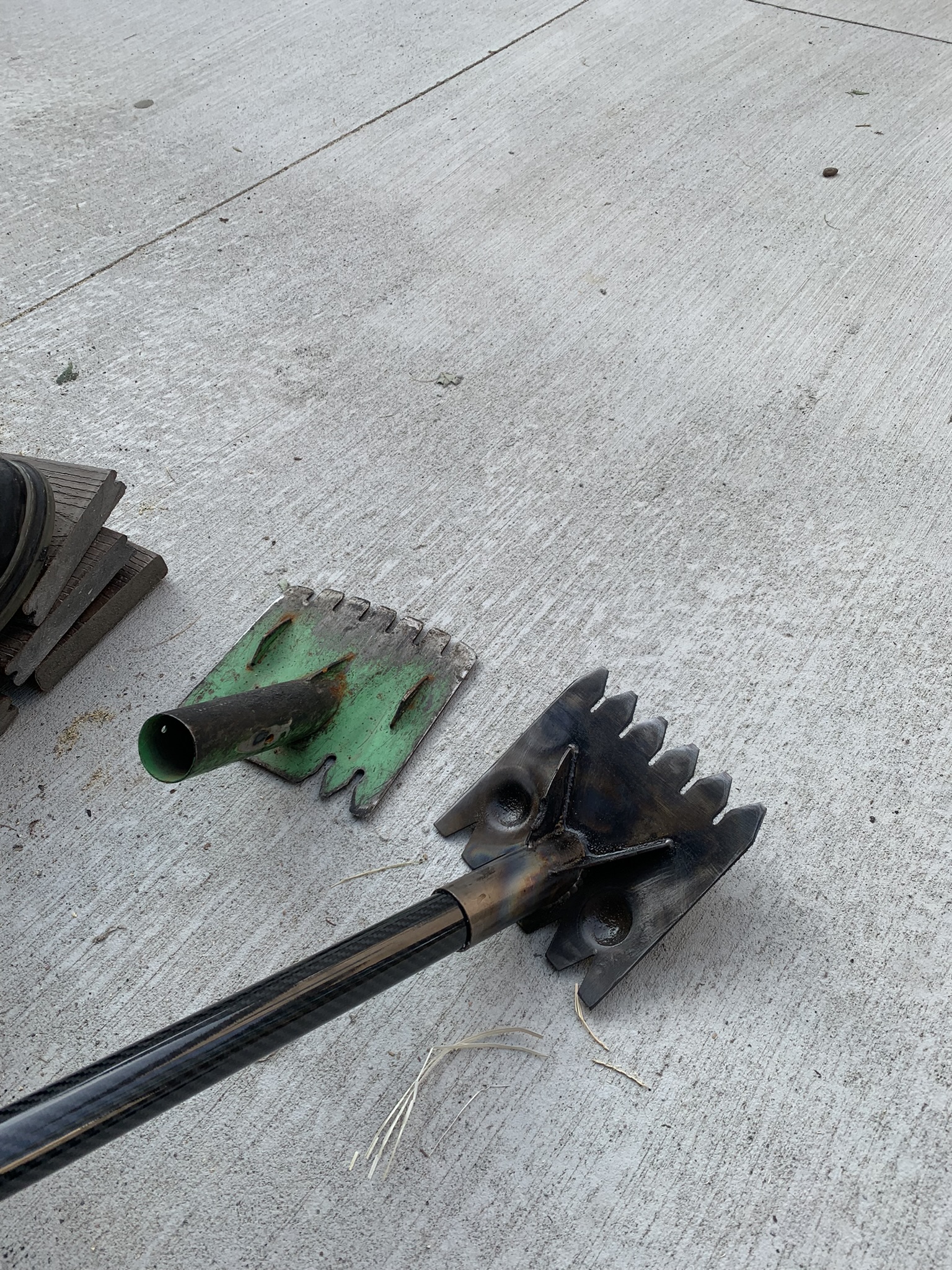
During my roofing days prior to engineering, I saw first-hand how unoptimized and cheaply made the current shingle removal tools really are. They're heavy, inefficient, and hard on the body. I created the GrimRipper as a purpose-built removal tool designed for weight, leverage, and durability.
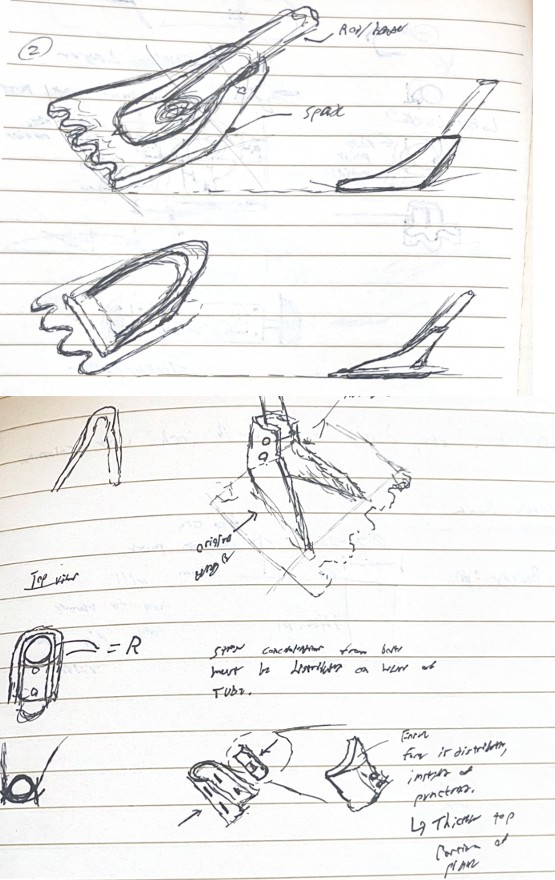
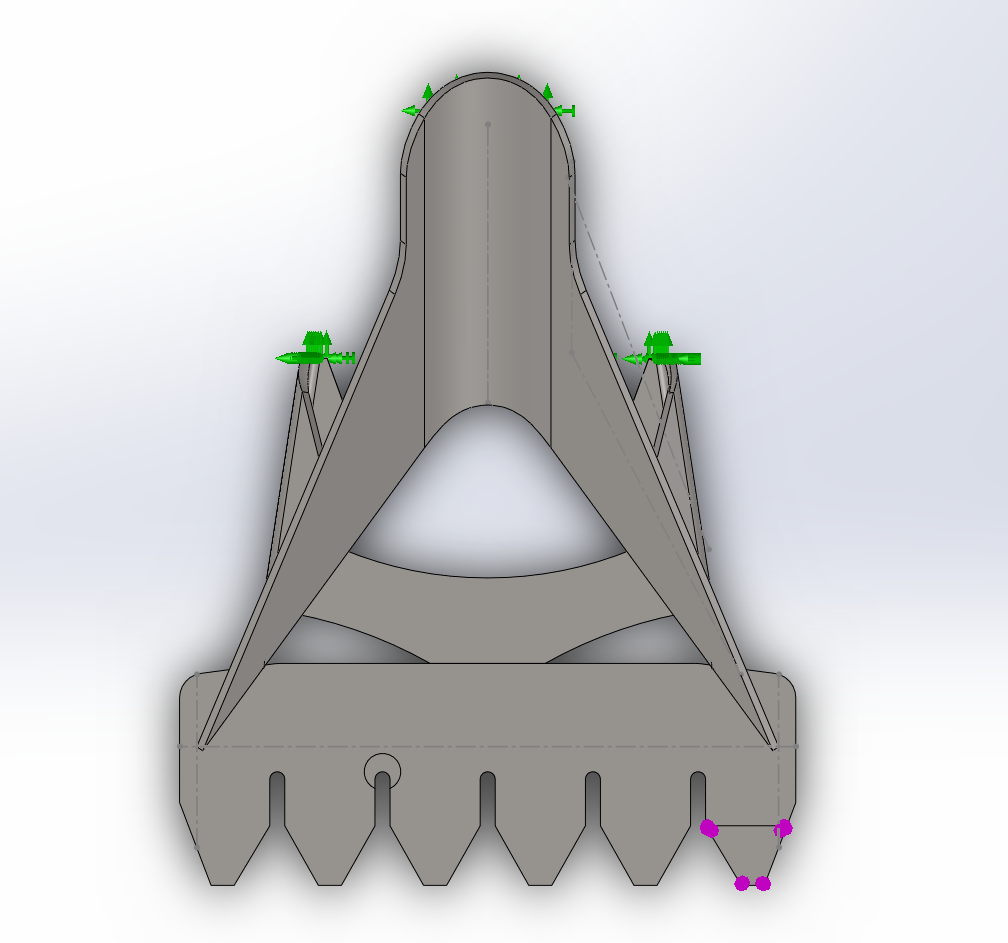
I began with hand sketches to explore geometry and handle ergonomics, along with high-level concepts for the tool's form and the basic geometries I needed to withstand the prying force. I targeted roughly 700 N, approximately a person standing on it.
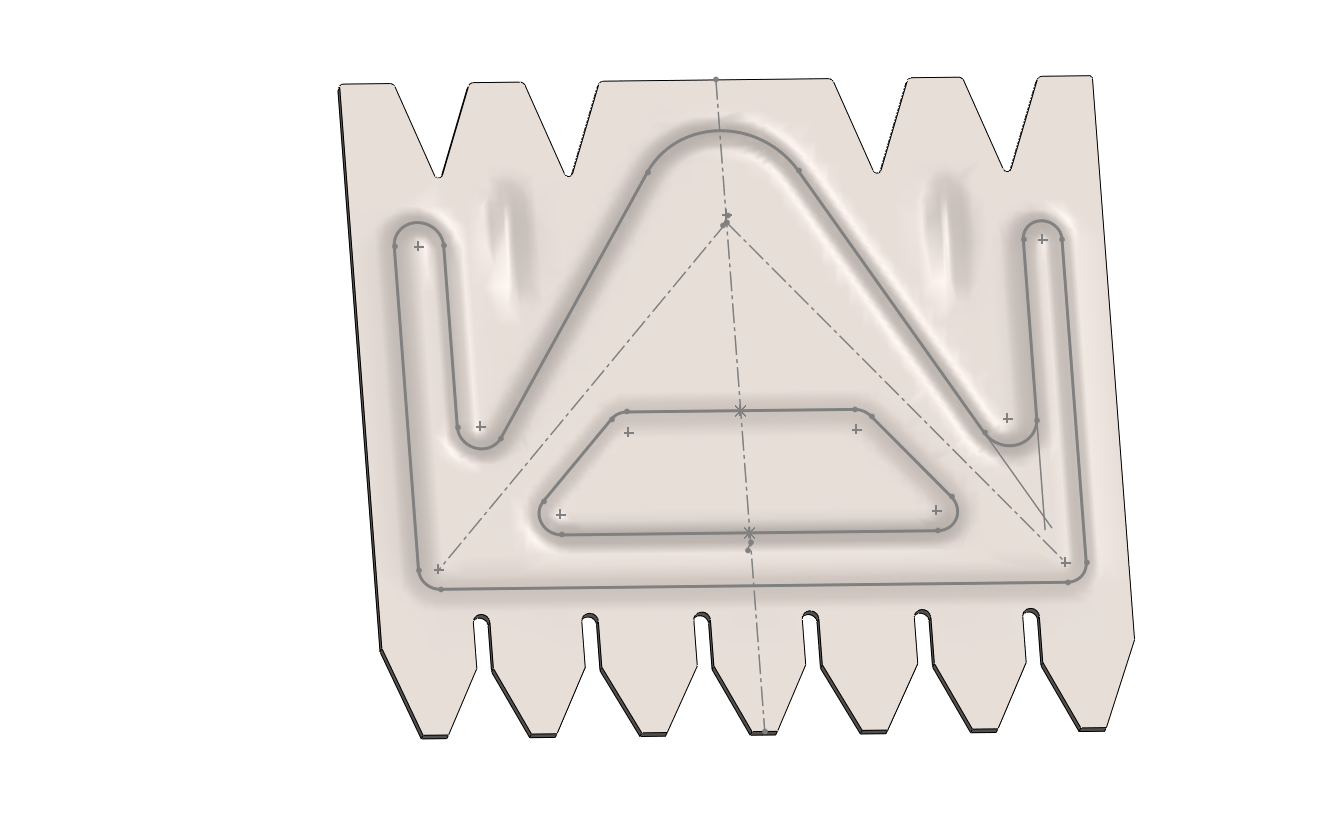
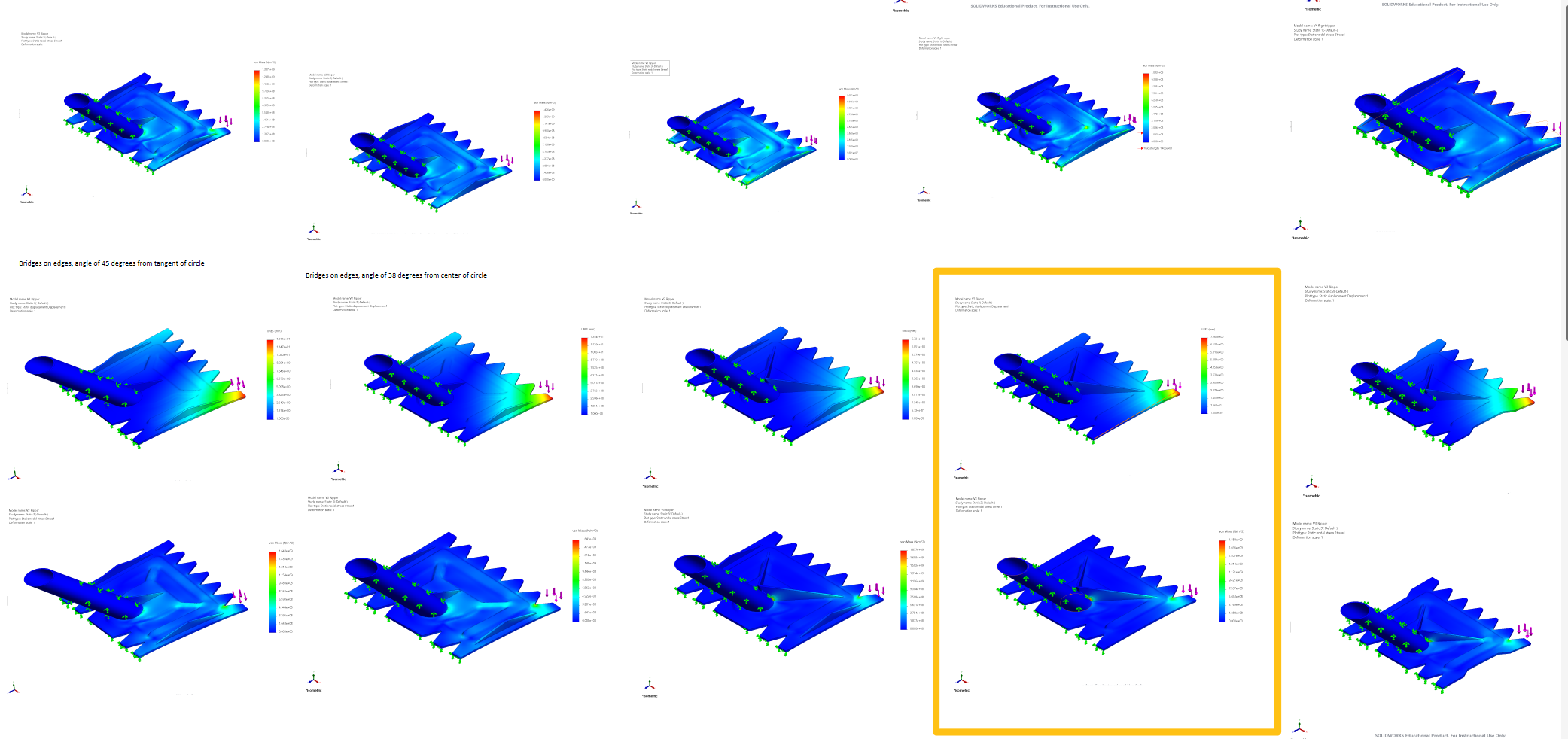
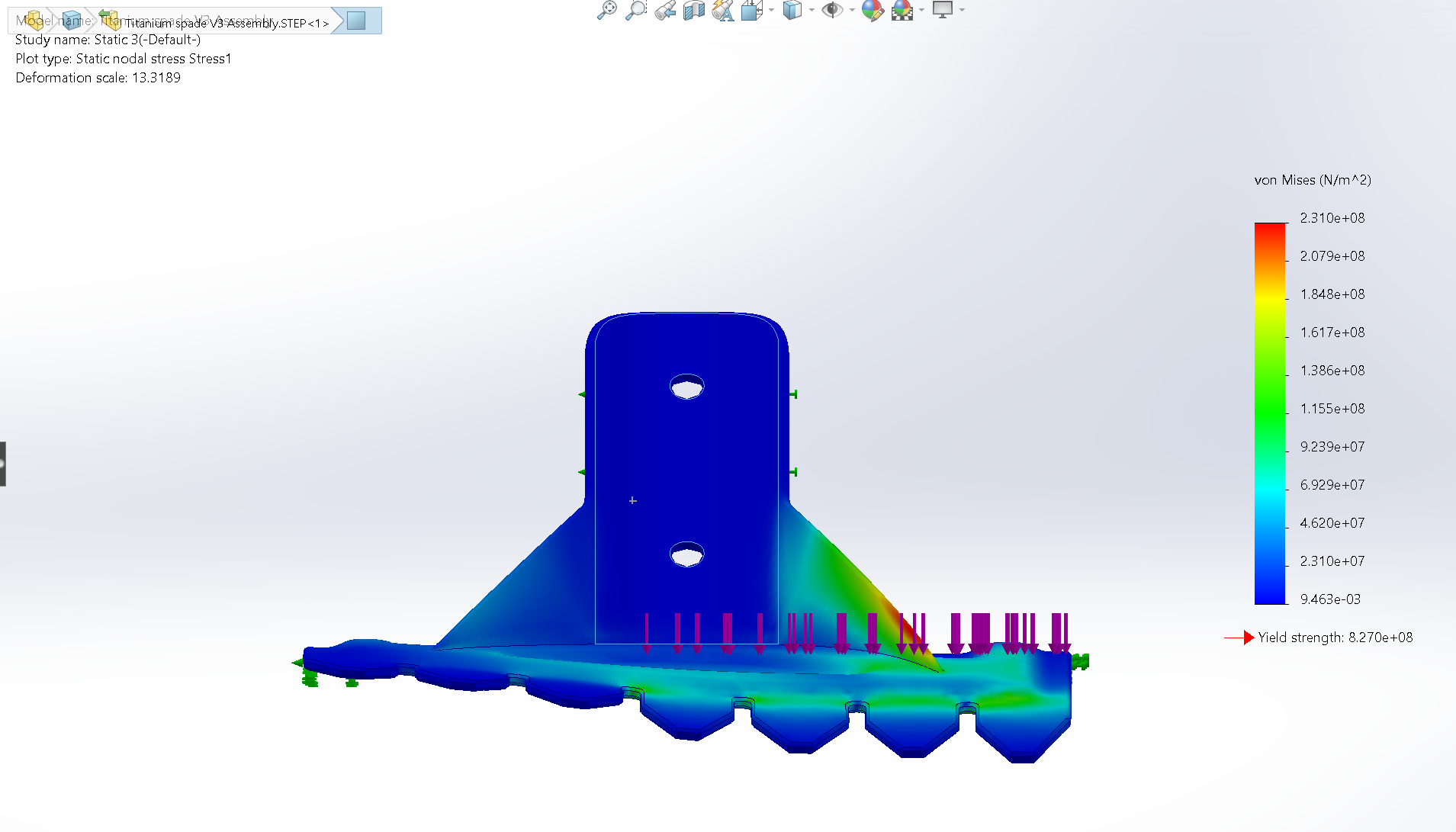
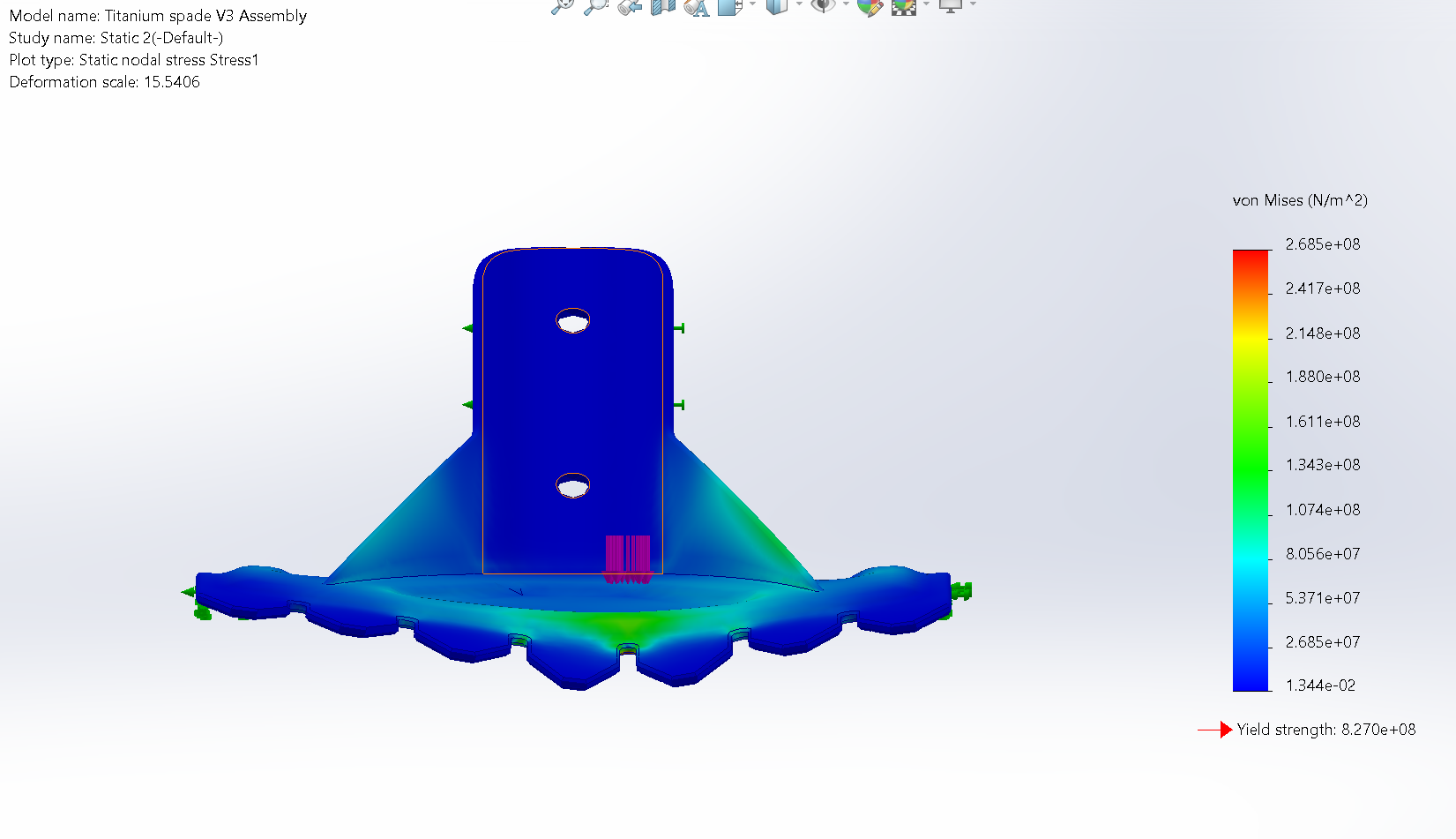
The tooth geometry was the critical design variable. It needed to bite into shingles reliably without deflecting under load. FEA was run across multiple iterations at a ~700 N prying load (roughly a person standing on the handle), with the highest stress concentration at the far-end tooth holding a 2+ safety factor against yield.
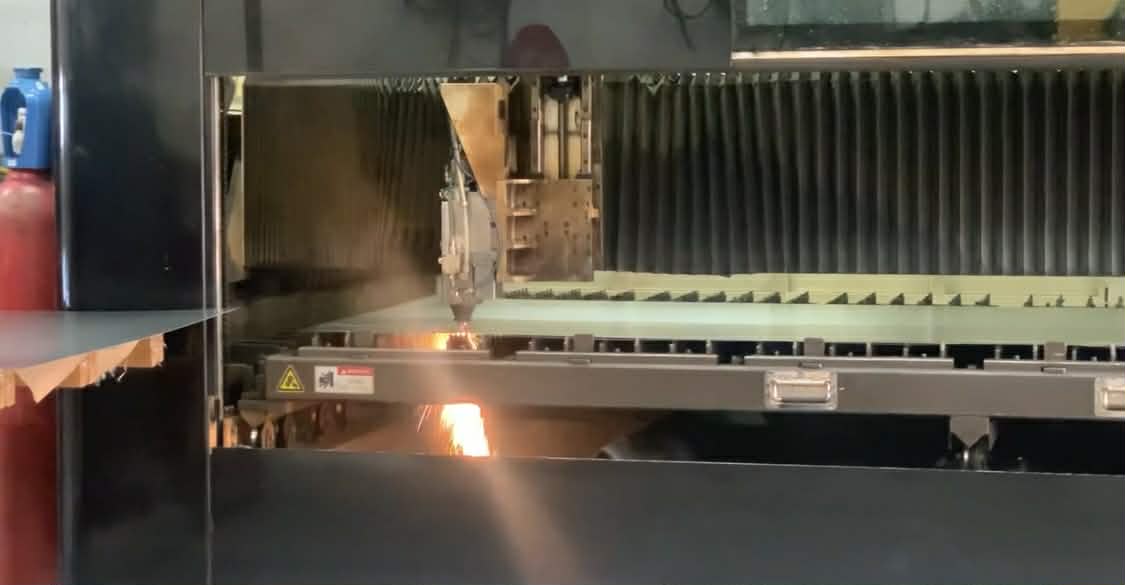
I used a design-for-manufacture (DFM) driven iterative design process, trimming material away from low-stress regions each cycle to cut weight while holding structural performance at the critical load zones.
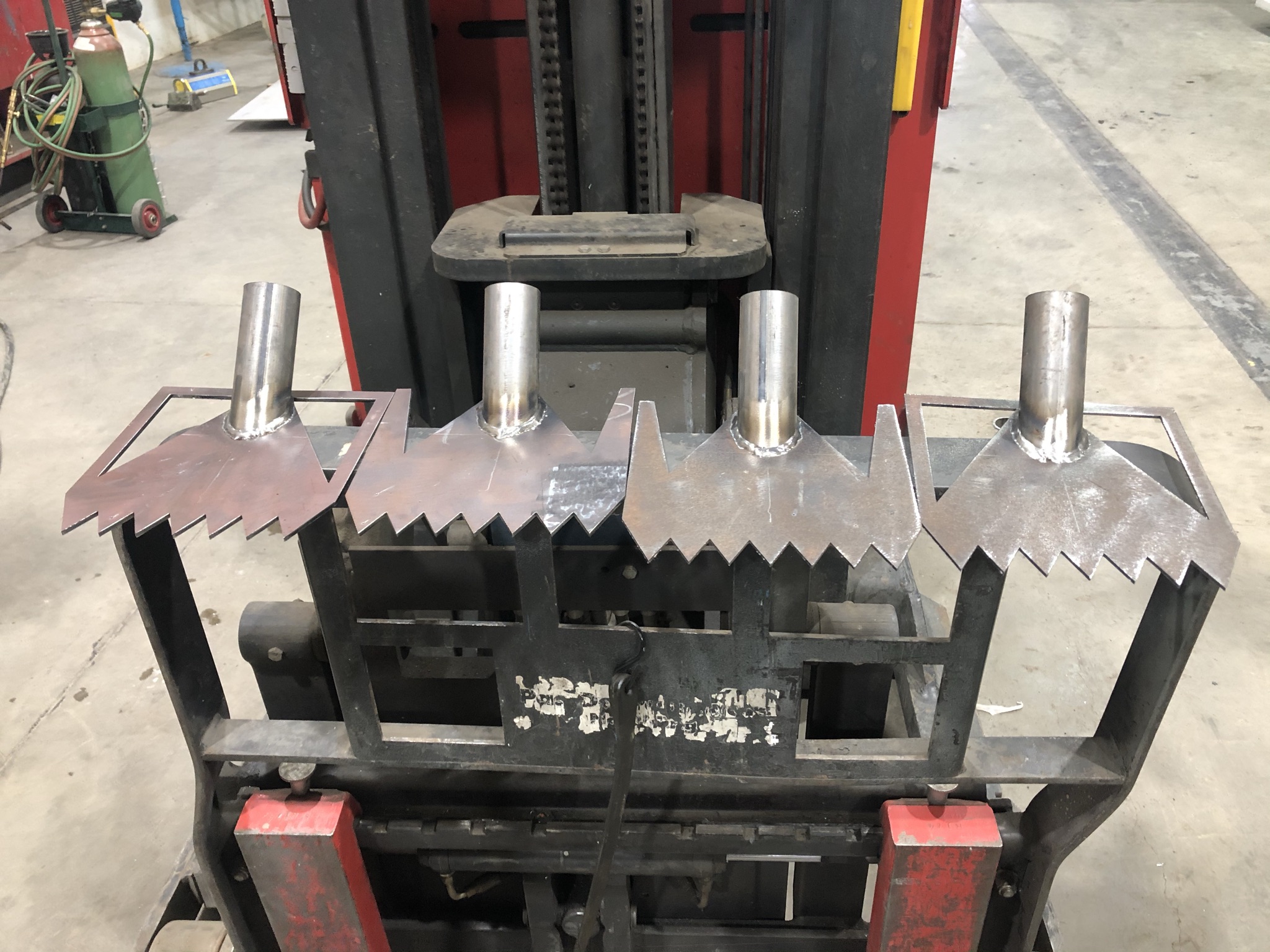
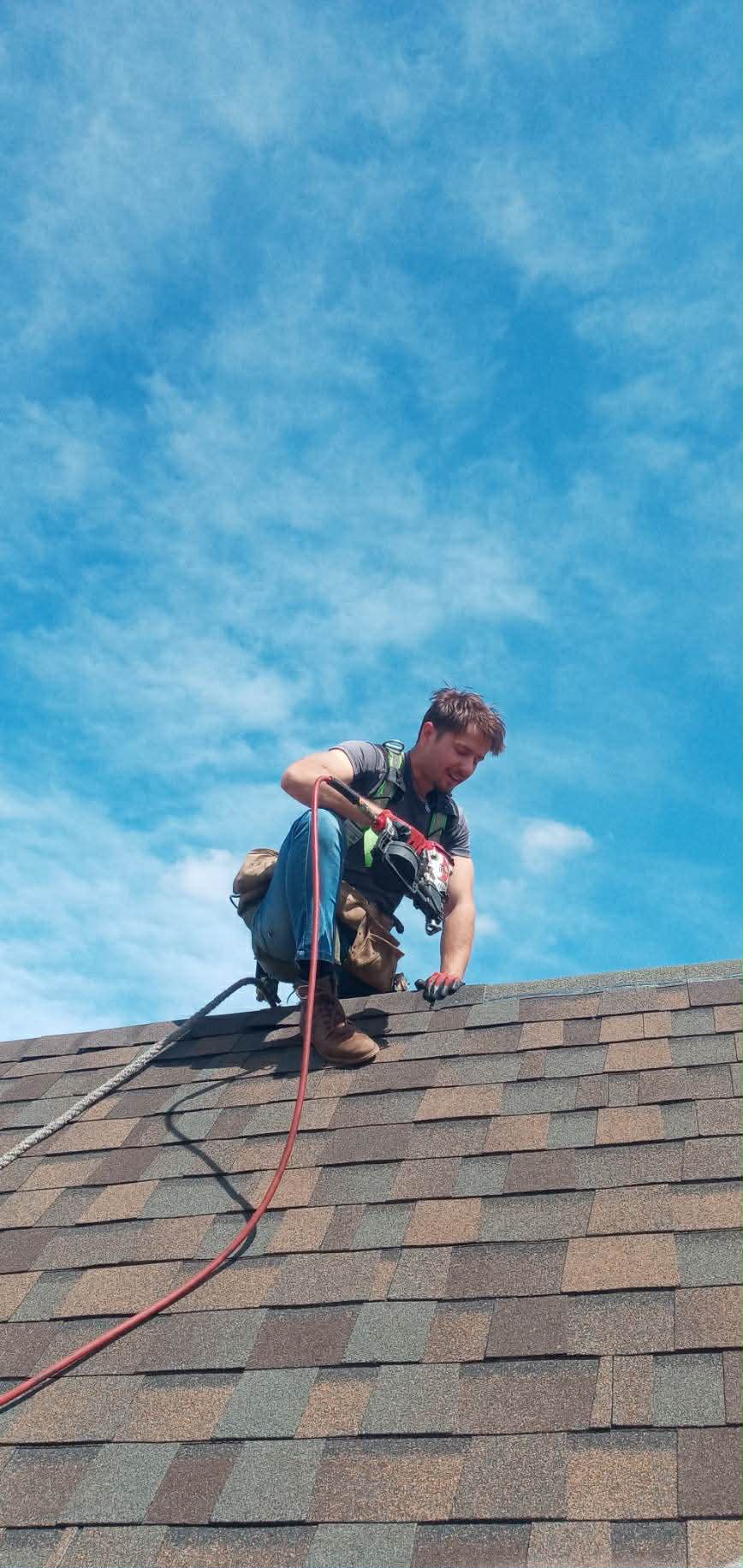
Multiple design iterations were explored and taken straight to the roof to see how the prototypes performed. Tooth profiles, handle angles, and plate thicknesses were swapped between builds to validate the accuracy of the FEA analysis results and overall geometry.
Each round of feedback fed directly back into a more optimized design, eventually converging on a functioning prototype.
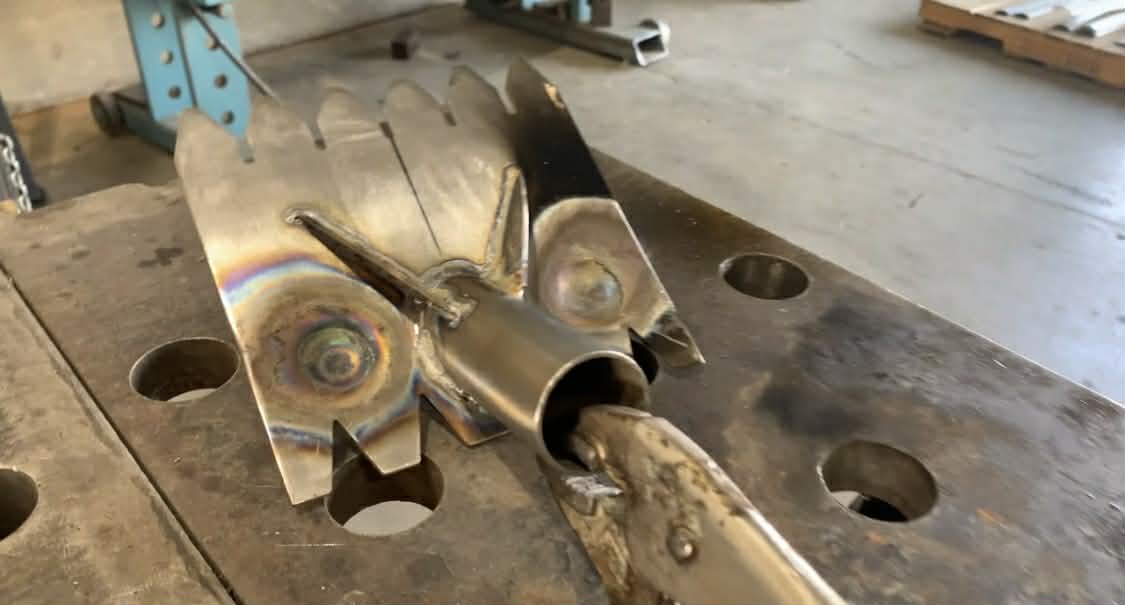
The final prototype was oil-quenched and aged for 2+ hours for added strength, and formed via a pressing machine.